
The Perception of Easy Money
One of the most pervasive myths about casino gambling is that it is a surefire way to make quick and easy money. Many people believe that winning is merely a matter of luck, which can easily lead to impulsive behavior. This perception may be fueled by stories of people hitting it big or winning progressive jackpots, but such instances are the exception rather than the rule. In fact, playing the best australian online pokies can often illustrate how the reality is that casino games are designed to favor the house, meaning that over time, players are more likely to lose than win. Understanding the mechanics behind games like slots or blackjack reveals that the house edge is a crucial aspect that players often overlook.
Moreover, the allure of easy money can blind individuals to the inherent risks involved in gambling. Many new players enter casinos with the hope of turning a small investment into a massive payout. However, they often fail to recognize that the odds are statistically stacked against them, and many games have a built-in house edge. For instance, slot machines typically return about 90% to 95% of the money wagered, leaving players with a significant loss over time. Understanding the mathematics behind these games is crucial for players who wish to gamble responsibly and mitigate their losses.
In addition, the psychological factors at play in a casino environment cannot be overlooked. The bright lights, the buzz of excitement, and the intoxicating atmosphere create an environment that encourages players to continue betting, often leading to a spiraling effect. This creates a false sense of confidence, as players may experience short-term wins that reinforce their belief in easy money. In reality, responsible gambling should always prioritize awareness and education over misconceptions about financial gain. Players should approach gambling as a form of entertainment rather than a means to achieve financial success.
The Illusion of Control
Another myth surrounding casino gambling is the idea that players can control the outcome of games through skill or strategy. While there are certain games, such as poker, where skill plays a significant role, most casino games rely heavily on chance. Slot machines, roulette, and dice games are perfect examples where the outcome is determined purely by random number generators or physical laws. Players often fall into the trap of believing that previous outcomes can influence future results, a phenomenon known as the gambler’s fallacy. This fallacy can lead individuals to make irrational decisions based on the assumption that they can predict outcomes based on past events.
This illusion of control can lead to misguided strategies, such as chasing losses or believing that a win is due after a series of losses. Players may think they can predict when a slot machine will pay out or when the roulette wheel will land on a certain number, leading to overconfidence and poor decision-making. The reality is that each game is independent, and past results have no bearing on future outcomes, which is vital for any gambler to understand. This misconception can result in significant financial losses and emotional distress.

The psychological aspect of believing in one’s control over gambling outcomes goes beyond just game strategy; it can affect players’ willingness to engage in risky behaviors. Many individuals may compound their losses, thinking they just need to take one more bet to even the score. This mindset can lead to escalating bets that far exceed their original limits. Educating players on the nature of gambling odds and the unpredictability of outcomes is essential in debunking this myth and promoting responsible gambling practices, ensuring individuals understand their limits and the importance of self-control.
The Misconception of Luck
While luck certainly plays a role in gambling, it is a common misconception that it is the sole factor determining success at casinos. The belief that some players are “born lucky” can perpetuate a culture of entitlement, where individuals expect to win consistently without acknowledging the role of probability. This myth can lead new players to feel discouraged when they do not experience the instant gratification they anticipated, making it crucial to highlight that gambling should be approached as a form of entertainment rather than a guaranteed income source. The thrill of playing should be the primary focus, not the expectation of winning.
The random nature of many casino games means that luck is unpredictable and cannot be relied upon. Players must understand that while luck can result in sporadic wins, it does not ensure long-term success. Relying solely on luck can be detrimental to one’s financial wellbeing, leading to irresponsible gaming habits. For instance, players who believe in lucky numbers or charms may end up making decisions that lead to greater losses. By embracing a more balanced perspective on luck, players can engage in gambling with a clearer understanding of the potential risks and rewards associated with various games.
Furthermore, the mythology surrounding luck may divert attention from responsible gambling practices. Players who believe they are merely lucky might not set limits or develop sound bankroll management strategies. This misconception can lead to players gambling more than they intended, believing each bet is a chance to ride their lucky streak. To foster a healthier gambling environment, it is essential to educate players on the differences between luck and strategy, emphasizing that a well-informed player is often more successful in managing their gaming experiences.
The Impact of Compulsive Gambling
Compulsive gambling is a serious issue that is often downplayed in discussions about the thrills of casino gambling. Many individuals view gambling as a harmless pastime, failing to recognize that the excitement can lead to addiction. The myth that only certain people develop gambling problems contributes to the stigma surrounding the topic and prevents those who are struggling from seeking help. In reality, gambling addiction can affect anyone, regardless of their financial situation or background. Acknowledging this fact is crucial for creating an open dialogue about the risks associated with gambling.
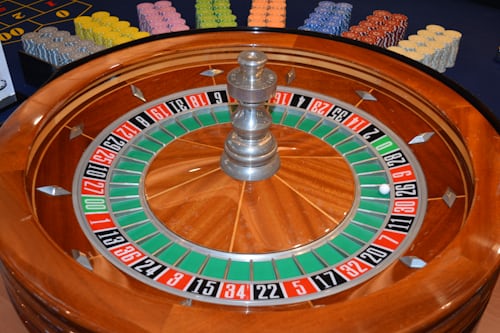
The signs of compulsive gambling can be subtle at first, often masked by the allure of fun and social engagement. However, as individuals begin to prioritize gambling over other responsibilities, the consequences can escalate quickly. Compulsive gamblers may borrow money, neglect personal relationships, or experience significant financial distress. These issues can lead to a cycle of despair and isolation, making it essential to address them openly and promote awareness about gambling addiction. Support systems and counseling can provide the necessary resources for those affected, helping them regain control over their lives.
Additionally, recognizing the emotional impact of gambling is essential. Many people resort to gambling as a means of escape from stress or depression, making it imperative to understand the underlying factors that contribute to compulsive behavior. Emotional triggers can lead individuals to gamble more frequently and in larger amounts, exacerbating their problems. Support systems, whether through counseling or support groups, can provide the necessary resources for those affected by gambling addiction, helping to break the cycle of dependency and promote a healthier relationship with gambling activities.
Your Guide to Responsible Gambling
In a landscape filled with myths and misperceptions about casino gambling, understanding how to engage responsibly is crucial for both new and experienced players. A reliable source of information can guide individuals through the complexities of gambling while promoting safe practices. Websites dedicated to responsible gambling often offer resources, tips, and strategies for maintaining a healthy relationship with gaming activities. These resources can empower players to make informed choices that prioritize their well-being.
While the excitement of the casino can be alluring, it is essential for players to have access to educational material that demystifies the gambling process. Comprehensive guides can provide insights into game mechanics, odds, and responsible betting techniques. These platforms serve as vital tools for players willing to take control of their gambling habits and make informed decisions. By providing clear and accurate information, these resources can help foster a culture of responsible gambling.
By focusing on education and awareness, players can resist the temptation to fall into the traps of myth and misconception. Understanding the realities of gambling helps individuals to enjoy the game while being mindful of its risks. As a result, informative websites can play a pivotal role in fostering a culture of responsible gambling that benefits everyone and ensures a safe and enjoyable gaming experience. Ultimately, the goal is to create an environment where players can engage in gambling responsibly and with a clear understanding of the potential outcomes.